
Our Capacity Building Best Practices.
March, 2026
This seems like a good time to reflect on the impact of what has been Youth Catalytics’ enduring mission: to advance and inspire the youth services sector by originating, gathering, and disseminating new knowledge, innovative practices, and thought leadership. Indeed, for as long as we’ve been an intermediary, technical assistance provider, capacity builder—It goes by many names—we have been helping human services organizations manage their operations, grow their leadership, assess their communities, evaluate their programs, train staff, raise funds, and most importantly, understand and lift up young people.
So below are several of our best capacity building resources—easy to absorb, practical to apply, and as relevant as ever. We hope you will find something here that’ll enable you to do your best work.
Sustaining Runaway and Homeless Youth Work
Here for Good: Sustaining Your RHY Program with Local Support: information, resources, tips, and promising practices for RHY programs on how to cultivate and grow strong local support for services.
Building Career Pathways for RHY Staff: outlines the benefits of strengthening career pathways for RHY staff, simple ways to establish clear paths in RHY programs, and how to find additional resources.
Creative Compensation to Increase RHY Staff Retention: describes creative approaches to compensation; including going beyond simple salary considerations.
Hiring the Right People in RHY Programs: how to hire people who are a strong match for your RHY program by figuring out who is right for the job, as well as what immediate steps you can take to improve your hiring and training practices.
Aftercare in RHY Programs: describes the critical components of aftercare and what the research says are the key contributors to the success of aftercare for runaway and homeless youth.
Sustaining Community Support
Reimagine Addison County: how one Vermont community reimagined its way to sustained, collaborative action to meet needs and boost the community’s economy, culture, and social safety framework.
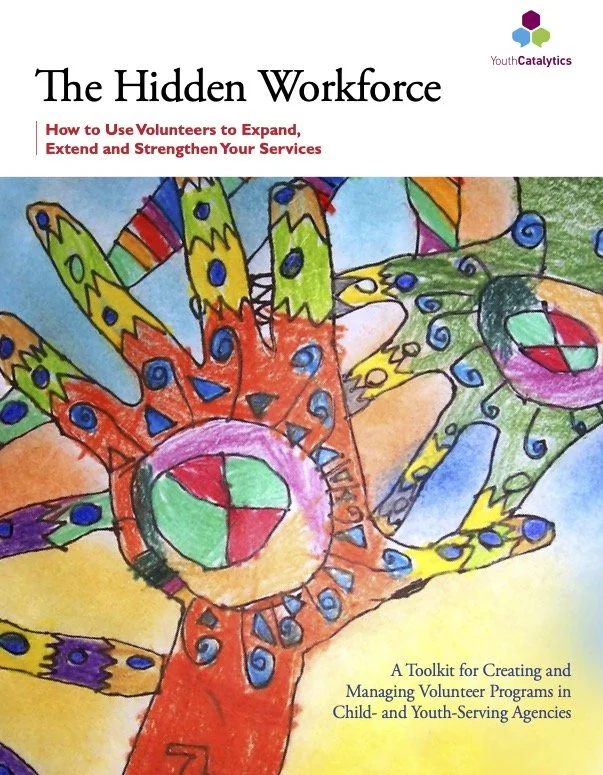
The Hidden Workforce: How to Use Volunteers to Expand, Extend and Strengthen Your Services: a toolkit for creating and managing volunteer programs from macro to micro in child and youth serving agencies.
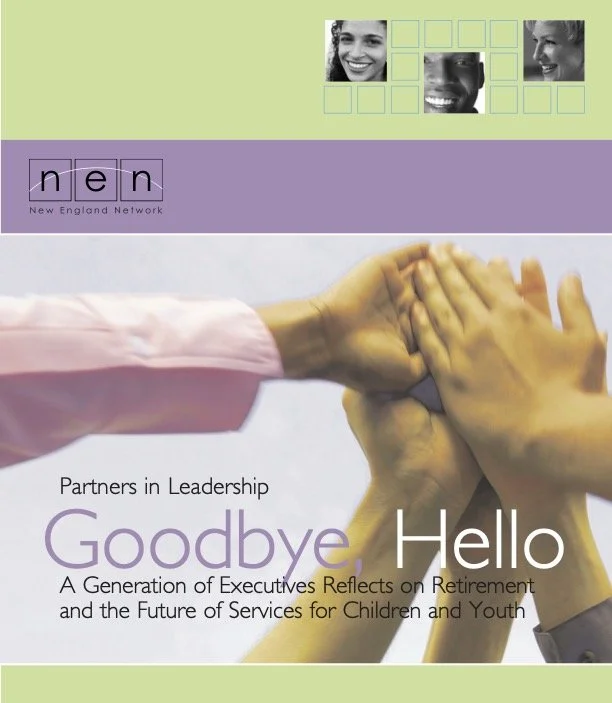
Goodbye, Hello: A Generation of Executives Reflects on Retirement and the Future of Services for Children and Youth: reviews what the child and youth services field needs from its leaders to improve at all organizational levels.
Sustaining Organizational Development
Don’t call it “data-gathering.” Just start talking to people: strategic planning tips for nonprofits, including the importance of stakeholder input and Board involvement.
Understanding Program Outcomes: How to Set Up and Measure the Things that Matter: this training video takes you through the step-by-step process of developing outcomes to measure what really matters in your work.
Recruiting and Retaining Black Educators: our podcast and research brief highlighting the need to recruit and retain more Black educators to American schools. And find the rest of our podcasts, here.
Youth Work Practice: A Status Report: this report looks at how youth work organizations are tackling the challenges of professionalization.
Natural Disasters and Head Start Facilities Guide: Assess, Prepare, Respond, Recover: Our guide on how to prepare your facility for a natural disaster and recover from one quickly, from a facilities and fiscal management perspective.
Sustaining and Improving Communications
Sparking Change by Communicating with Decision Makers: a workshop recording on how to communicate with decision makers to engage in partnerships and gain support for your organization.
The following three webinars were produced in 2017 by Youth Catalytics in conjunction with Spitfire, a DC-based nonprofit communications consultancy. Why? Nonprofits communicate all the time with a variety of stakeholders, but not always with purpose. If you don’t know what you’re trying to accomplish, you likely won’t have much to show for your efforts. These webinars help organizations develop the right message, capture and bank stories that can be deployed at any time, and use social media more effectively to gain support for their work. They were created for programs promoting adolescent sexual health, but draw on universal communications strategies and share important advice for all nonprofits.
Using Digital Outreach to Enhance your Program: an online training highlighting social media best practices, creating online content, and growing your audience.
Design and Build your Storybank: a workshop covering why storytelling is important and how to build a storybank for your organization’s outreach.
Crafting Messages that Matter: a training recording on developing organizational messaging and finding and building your audience.